Jackfruit Tree Diseases: Common Problems and How to Treat Them
A healthy jackfruit tree can grow vigorously in warm, humid conditions, but problems can develop when the tree is exposed to excess moisture, poor drainage, wounds, or disease-causing organisms. Brown or spotted leaves, dying branch tips, wilting, and soft or moldy fruit are some of the warning signs to watch for.
Not every symptom means your jackfruit tree has a disease. Water stress, root problems, nutrient deficiencies, insect damage, and unfavorable growing conditions can sometimes produce similar symptoms. For that reason, identifying the pattern of damage is an important first step before treating the tree.
In this guide, we’ll look at common jackfruit tree diseases, how to recognize them, what conditions can make them worse, and practical ways to reduce damage. We’ll also cover prevention and considerations for growing jackfruit in the United States.
Common Jackfruit Tree Diseases
Jackfruit diseases can affect different parts of the tree, including the leaves, branches, roots, and developing fruit. The symptoms can overlap, so look at where the damage is occurring and how quickly it is spreading before deciding on a treatment.
Leaf Spot
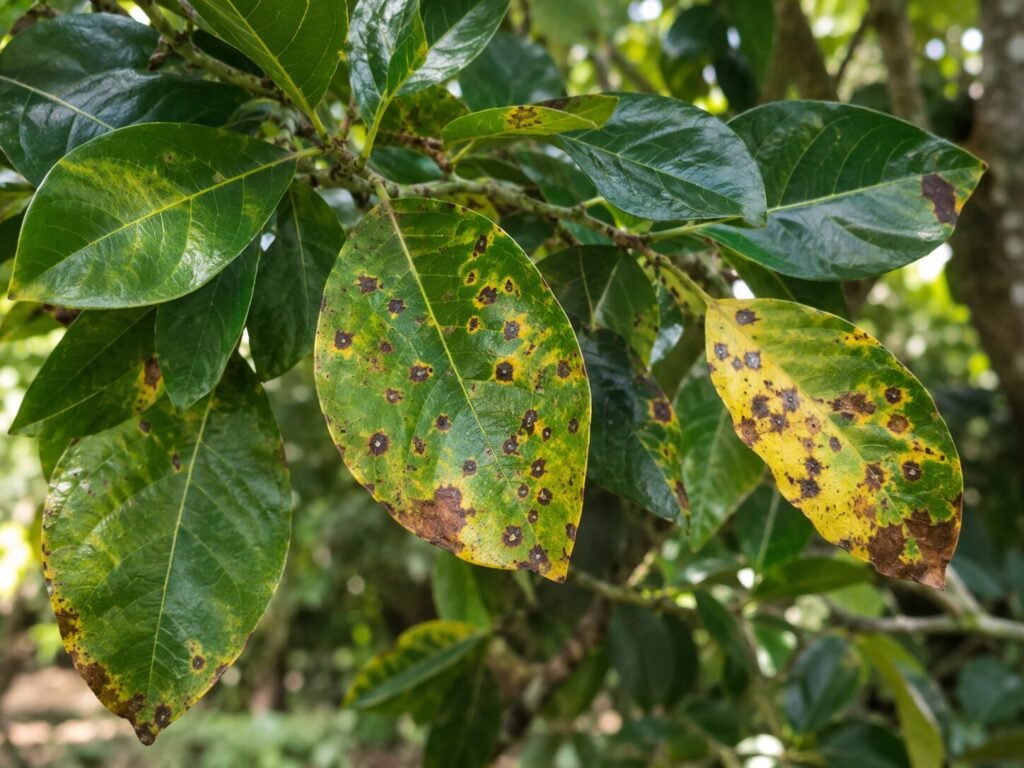
Leaf spots can develop as small brown, dark, or necrotic lesions on jackfruit leaves. In severe cases, affected leaves may yellow, dry out, or drop prematurely. Several fungal pathogens have been associated with leaf spotting in jackfruit, so the appearance of spots alone is not enough to identify the exact pathogen.
Wet foliage, high humidity, poor air circulation, and prolonged moisture can favor some leaf-spot problems.
What to do:
- Remove severely affected leaves when practical.
- Improve airflow through dense canopy growth.
- Avoid unnecessary overhead irrigation.
- Keep fallen and diseased plant material cleaned up.
- Disinfect pruning tools after working with affected tissue.
- If leaf spotting continues to spread, seek a proper diagnosis before choosing a pesticide.
Do not assume that every leaf spot requires a fungicide. The appropriate treatment depends on the actual cause and the product label.
Fruit Rot
In South Florida, UF/IFAS identifies Rhizopus fruit rot and gray mold among the disease problems that can affect jackfruit. Rhizopus fruit rot can cause soft, rapidly developing decay, particularly when fruit is damaged or conditions are warm and humid. Gray mold can also affect fruit under favorable conditions.
Fruit that has cuts, bruises, or other wounds may be more vulnerable to decay organisms. Poor sanitation and prolonged moisture can also increase the risk of fruit-rotting problems.
What to do:
- Handle developing and mature fruit carefully to reduce bruising and wounds.
- Remove badly rotted fruit from the tree and growing area.
- Keep fallen fruit and other decaying plant material cleaned up.
- Provide good air circulation around the tree and fruit.
- Avoid keeping the fruit or surrounding area unnecessarily wet.
- If fruit rot repeatedly affects the crop, seek a local diagnosis rather than repeatedly applying a general-purpose fungicide.
Dieback
Dieback causes the tips of shoots or individual branches to dry out and die. Affected leaves may turn brown, curl upward, or eventually fall. Some cases may also involve discoloration of the bark or gum-like exudation from affected branches.
Dieback can have more than one cause, including disease, branch injury, environmental stress, or damage associated with insects. Because these problems can produce similar symptoms, visible dieback does not always identify the exact cause.
What to do:
- Prune dead or clearly affected wood back to healthy tissue.
- Make clean pruning cuts with properly disinfected tools.
- Remove pruned material from the growing area.
- Avoid unnecessary wounds to the trunk and branches.
- Check whether poor drainage, drought stress, or insect damage may be contributing to the problem.
- For recurring or severe dieback, have a professional examine the affected tissue and determine the likely cause.
Root Rot
Root problems are especially important because they can gradually weaken an otherwise mature jackfruit tree. Trees affected by root rot may show yellowing leaves, wilting, reduced growth, or general decline. In severe cases, affected roots may become dark, soft, and decayed.
Poor drainage and prolonged flooding can increase the risk of root problems in jackfruit. UF/IFAS notes that jackfruit can be affected by root rot associated with several soilborne pathogens, particularly when trees are subjected to flooding.
For that reason, improving drainage is an important part of managing a declining tree—but yellow leaves or wilting alone do not prove that root rot is present.
What to do:
- Check whether water remains around the tree after irrigation or rainfall.
- Improve drainage rather than simply watering less frequently.
- Avoid planting jackfruit in areas where water consistently collects.
- Do not routinely apply a soil fungicide without first determining whether a disease is actually present.
- If the tree is declining despite reasonable watering and drainage, inspect the roots or seek professional help with diagnosis.
Because several root problems can produce similar symptoms, correct diagnosis is more useful than treating every case as the same type of root rot.
How to Prevent Jackfruit Tree Diseases
Good growing practices can reduce the conditions that allow many plant diseases to develop or spread. Prevention is usually easier than trying to recover a severely damaged tree.
Give the Tree Enough Space
Avoid overcrowding jackfruit trees or surrounding plants. Adequate spacing allows air to move through the canopy and helps leaves and branches dry more quickly after rain or irrigation.
Prune When Necessary
Remove dead, damaged, or clearly diseased branches. Regularly inspect the canopy so a small problem does not go unnoticed until an entire branch is affected.
Keep Pruning Tools Clean
Disinfect pruning tools between trees and, when appropriate, between cuts on diseased material. This reduces the chance of moving pathogens from one part of the plant to another.
Avoid Waterlogged Soil
Jackfruit trees need adequate moisture, but constantly saturated soil can damage roots and create favorable conditions for root diseases. Planting in well-drained soil and correcting drainage problems can make a major difference.
Keep the Growing Area Clean
Remove fallen fruit, severely diseased leaves, and dead plant material when practical. Decaying material can provide a place for disease-causing organisms to persist.
Inspect the Tree Regularly
Check the leaves, branches, trunk, roots near the soil surface, and developing fruit. Early changes are generally easier to investigate and manage than advanced disease.
Organic and Low-Chemical Disease Management
If you prefer to minimize pesticide use, start with practices that reduce moisture, wounds, and sources of infection around the tree.
Remove severely diseased leaves and fruit, improve airflow through dense growth, correct drainage problems, and keep fallen plant material from accumulating around the tree. Clean pruning tools before and after working on affected areas.
Products marketed as organic or natural are not automatically effective against every plant disease. Neem oil, botanical products, and other low-chemical treatments should be used only when they are appropriate for the specific problem and according to the product label.
For a recurring disease, identifying the cause is more useful than repeatedly trying different homemade sprays. A local Extension professional, plant pathologist, or other qualified horticultural expert can help when the symptoms are difficult to distinguish.
Growing Jackfruit in the United States
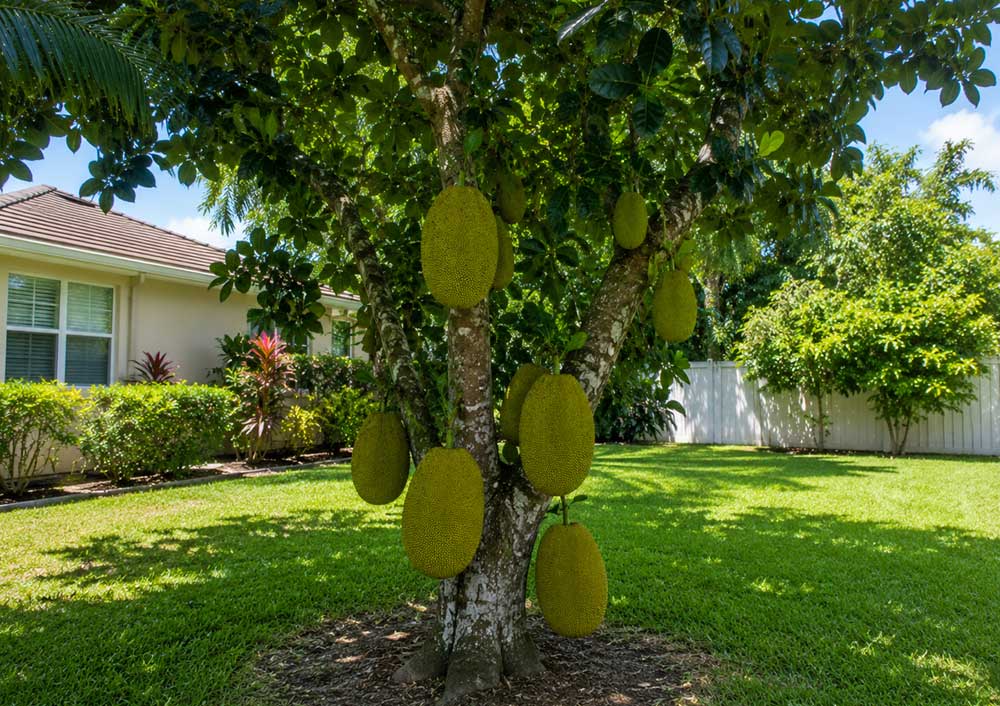
Jackfruit is best suited to hot tropical and humid subtropical conditions. In the United States, it is grown in areas such as south Florida and Hawaii, where winter conditions are more suitable for this cold-sensitive tropical tree.
South Florida growers should pay particular attention to drainage. UF/IFAS reports that jackfruit does not tolerate continuously wet or flooded soil well, and trees can decline under prolonged wet conditions. Excess water can also contribute to root-rot problems.
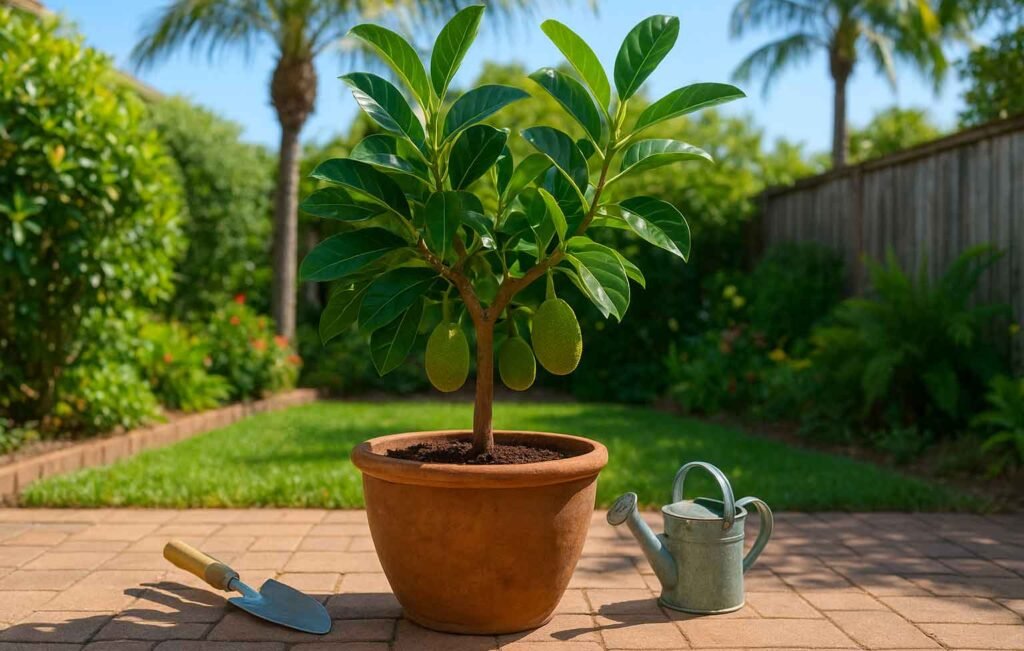
Gardeners in colder parts of the country may need to grow jackfruit in containers or provide protection from cold weather. Before planting, consider your local winter temperatures, soil drainage, rainfall, and available growing space.
For region-specific growing advice, a local university Extension service can be a useful source of information.
Jackfruit farming profit in USA
When to Contact a Professional
Some jackfruit problems are difficult to diagnose from photographs or surface symptoms alone. Consider getting professional help if the tree is declining rapidly, several major branches are dying, the roots appear badly damaged, or the same problem keeps returning after basic care has been corrected.
A local university Extension office, qualified arborist, or plant pathology professional may be able to help identify the cause and recommend an appropriate management plan.
Professional diagnosis is particularly useful before applying repeated pesticide treatments. Treating the wrong disease can waste time, damage the plant, and make it harder to determine what is actually affecting the tree.
Frequently Asked Questions
Why are my jackfruit tree leaves turning brown?
Brown leaves can result from disease, drought stress, excessive moisture, root problems, nutrient issues, or environmental damage. Look for additional signs such as leaf spots, wilting, branch dieback, or consistently wet soil before assuming the tree has a fungal or bacterial disease.
Why is my jackfruit fruit rotting?
Fruit can rot after physical damage, prolonged moisture, poor sanitation, or infection by decay organisms. Remove badly affected fruit, handle developing fruit carefully, and avoid conditions that keep the fruit or surrounding area unnecessarily wet.
How do I know if my jackfruit tree has root rot?
Possible signs include yellowing leaves, wilting, poor growth, and a general decline even when the soil has adequate moisture. Severely affected roots may be dark and soft. Because other root and environmental problems can look similar, a professional diagnosis may be necessary.
Should I remove diseased leaves from a jackfruit tree?
Removing severely affected leaves can help reduce sources of infected plant material, particularly when the disease is spreading. Use clean pruning tools and avoid moving diseased material to other plants.
Can jackfruit grow in the United States?
Yes, jackfruit can be grown in suitable warm regions of the United States, but it is sensitive to cold and performs best under tropical or subtropical conditions. Gardeners in colder areas may need to use containers or provide cold protection.
Conclusion
The best way to manage jackfruit tree diseases is to catch problems early and look at the whole growing environment—not just the damaged leaf or fruit. Good drainage, adequate airflow, clean pruning practices, careful handling of fruit, and regular inspection can reduce many common problems.
If you notice leaf spots, fruit rot, branch dieback, or signs of root damage, first identify the pattern of symptoms and correct obvious growing-condition problems. Avoid applying a pesticide simply because a tree looks unhealthy; different diseases and environmental stresses can produce similar symptoms.
With proper care and timely attention, a jackfruit tree can remain healthy and productive for many years.
Sources and Further Reading
- University of Florida IFAS Extension — Jackfruit Growing in the Florida Home Landscape
- Tamil Nadu Agricultural University — Jackfruit Crop Protection and Disease Management Resources