Last updated: 28 Sep 2026
Jackfruit Nutrition: Benefits, Calories, Protein, Fiber & More
Jackfruit Nutrition: Jackfruit has become easier to find in the United States, from Asian grocery stores and farmers markets to canned foods and plant-based recipes. Many people know it because young jackfruit can be cooked and shredded like pulled meat. Others enjoy ripe jackfruit as a naturally sweet tropical fruit.
But what does jackfruit actually offer nutritionally?
Jackfruit provides carbohydrates, fiber, vitamin C, potassium, and other plant compounds. At the same time, it is relatively low in protein, which is important to understand if you are using it as a meat substitute.
This guide explains jackfruit nutrition in simple terms, including its calories, fiber, protein, possible health benefits, the difference between ripe and young jackfruit, and what to look for when buying canned or dried jackfruit.
What Is Jackfruit?
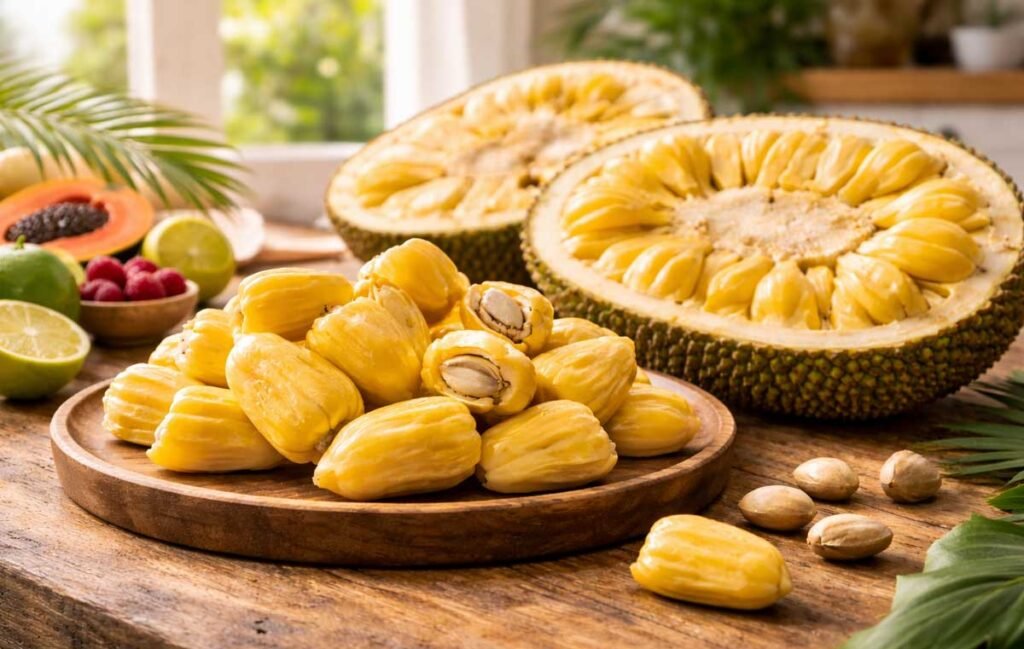
Jackfruit (Artocarpus heterophyllus) is a large tropical fruit that grows on trees and is native to parts of South and Southeast Asia. A mature jackfruit can become very large, with a thick green skin covered in small spikes.
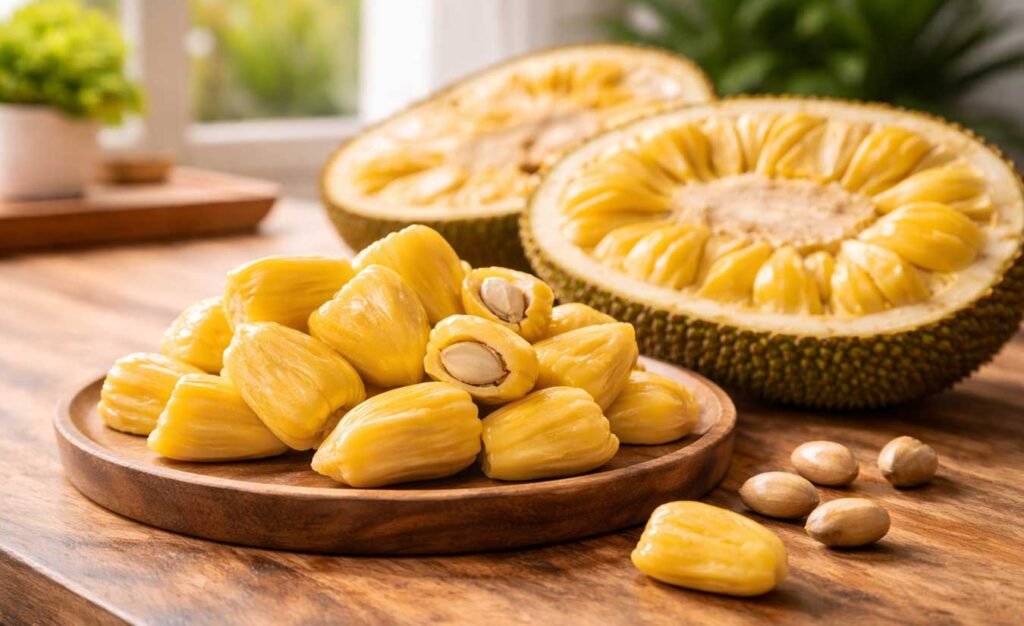
Inside are edible yellow fruit bulbs surrounding seeds.
Jackfruit can be eaten at different stages of ripeness, and this makes it especially versatile.
Ripe jackfruit is soft, sweet, and fruity. It can be eaten fresh or added to smoothies, desserts, and other sweet dishes.
Young green jackfruit is less sweet and has a firm, fibrous texture. When cooked, it absorbs sauces and seasonings well, which is why it is often used in tacos, sandwiches, curries, and barbecue-style recipes.
One important point is that jackfruit can work as a meat alternative in terms of texture, but it is not nutritionally equal to meat. Jackfruit contains much less protein, so a balanced plant-based meal may need another protein source.
Jackfruit Nutrition at a Glance
A cup of raw jackfruit provides roughly 155 calories. It is mainly a source of carbohydrates and also provides fiber, vitamin C, potassium, and smaller amounts of other vitamins and minerals.
Approximate nutrition for one cup of raw jackfruit includes:
| Nutrient | Approximate amount |
|---|---|
| Calories | 155 |
| Carbohydrates | About 40 g |
| Dietary fiber | About 3 g |
| Protein | About 2–3 g |
| Fat | Less than 1 g |
| Vitamin C | A useful source |
| Potassium | A useful source |
Nutrition values can vary depending on the variety, ripeness, serving size, and whether the fruit is fresh, canned, or dried. Packaged products can also contain added sugar or sodium, so checking the Nutrition Facts label is important.
Is Jackfruit a Good Source of Protein?
This is one of the most important things to know about jackfruit.
Jackfruit is not a high-protein food.
Young jackfruit is often used in plant-based cooking because its shredded texture can resemble pulled meat. However, the texture should not be confused with the nutrition of meat.
If you make a jackfruit taco, sandwich, or bowl, consider adding a protein-rich ingredient such as:
- Black beans
- Chickpeas
- Lentils
- Tofu
- Tempeh
- Nuts or seeds
- Another plant-based protein source
This makes the meal more nutritionally complete.
So, jackfruit can be a useful meat alternative for texture and recipe variety, but it should not be your main protein source.
Is Jackfruit Healthy?
Jackfruit can be part of a healthy, balanced diet.
It provides fiber and several important nutrients while also adding natural sweetness and variety to meals. However, it is better to think of jackfruit as one nutritious food among many rather than a “superfood” that can provide every nutrient your body needs.
Its benefits depend partly on how you eat it.
Fresh ripe jackfruit, young green jackfruit, canned jackfruit in water or brine, and dried jackfruit can have very different nutritional profiles.
Potential Health Benefits of Jackfruit
1. Provides Dietary Fiber
Jackfruit contains dietary fiber, which helps support normal digestion and bowel function.
Fiber can also help you feel full after eating. For overall health, it is best to get fiber from a variety of foods, including fruits, vegetables, beans, whole grains, nuts, and seeds.
Jackfruit can be one useful addition to that mix.
2. Provides Vitamin C
Jackfruit contains vitamin C, an essential nutrient involved in normal immune function and collagen production.
Vitamin C also acts as an antioxidant and helps the body absorb iron from plant foods.
Eating jackfruit can contribute to your overall vitamin C intake, although no single fruit can replace a varied diet.
3. Provides Potassium
Jackfruit provides potassium, a mineral that plays important roles in fluid balance, nerve function, and muscle contraction.
Potassium is also an important part of a healthy eating pattern for maintaining normal blood pressure.
If you are watching your sodium or potassium intake because of a medical condition, however, your individual dietary needs may be different.
4. Contains Plant Compounds
Like many colorful fruits, jackfruit contains naturally occurring plant compounds such as carotenoids and flavonoids.
These compounds have antioxidant activity. However, it is important not to overstate this benefit. Eating jackfruit does not by itself prevent inflammation, heart disease, cancer, or other chronic diseases.
The overall quality of your diet matters much more than one food.
5. Can Add Variety to Plant-Based Meals
One of jackfruit’s biggest advantages is its versatility.
Young jackfruit can absorb marinades, spices, and sauces while providing a fibrous texture. This makes it useful for people who want to eat more plant-based meals without making every meal a salad or soup.
Its value here is mainly culinary and dietary variety, rather than its protein content.
Ripe vs. Young Jackfruit: What’s the Difference?
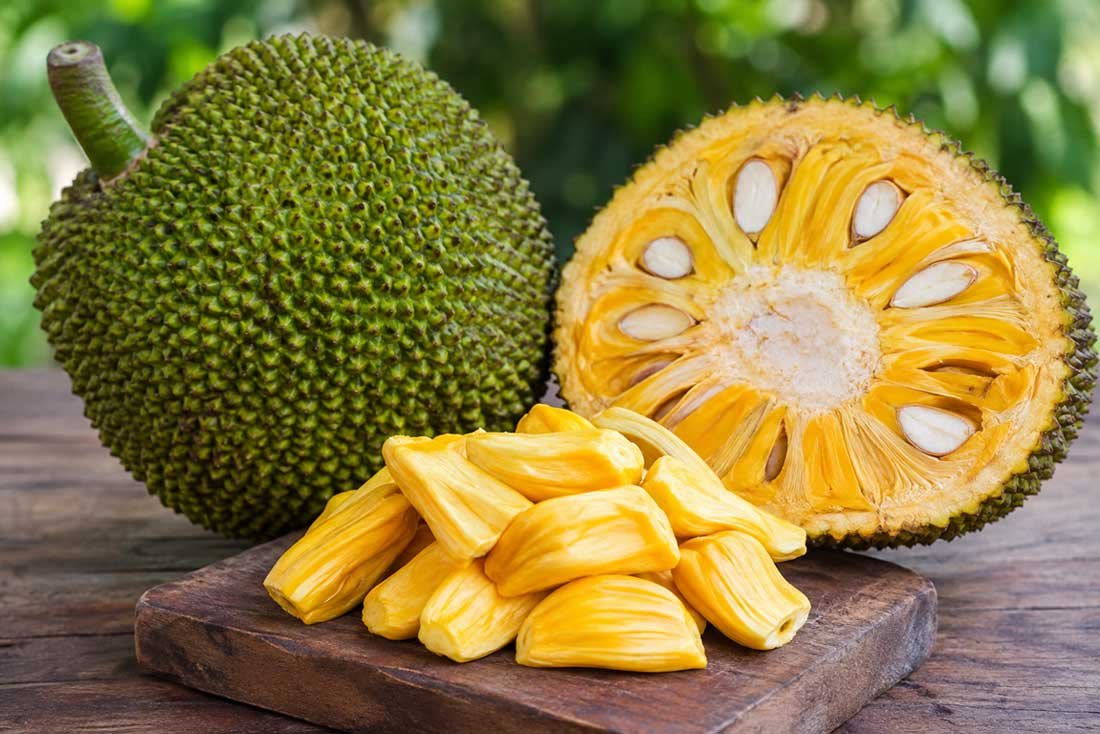
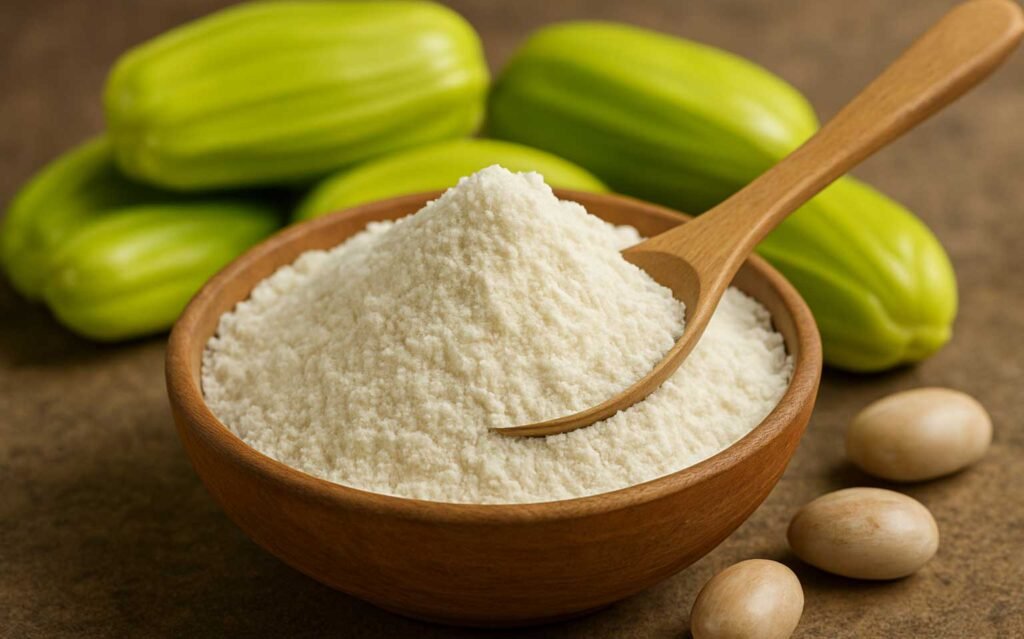
The words “jackfruit” and “young jackfruit” are sometimes used as if they mean the same thing, but they are quite different in cooking.
| Type | Taste & texture | Common uses |
|---|---|---|
| Ripe jackfruit | Sweet, soft and fruity | Fresh eating, smoothies, desserts |
| Young green jackfruit | Mild, firm and fibrous | Tacos, sandwiches, curries |
| Canned young jackfruit | Convenient and mild | Quick savory meals |
| Dried jackfruit | Chewy and concentrated | Snacks |
If you want jackfruit as a fruit, look for ripe jackfruit.
If you want to make savory recipes such as tacos or pulled-jackfruit sandwiches, young green jackfruit is usually the better choice.
Is Canned Jackfruit Healthy?
Canned jackfruit can be a convenient option, especially in the United States where fresh jackfruit may not always be easy to find.
Before buying, check the label.
Look for:
- The serving size
- Sodium
- Added sugars
- Ingredients
- Whether the jackfruit is packed in water, brine, or syrup
Recommended product type:
Young Green Jackfruit in Water/Brine — 14–20 oz can
For savory recipes, young green jackfruit packed in water or brine is commonly used.
If the product is packed in syrup or contains added sugar, its nutrition will be different from plain young jackfruit.
Canned jackfruit is not automatically less healthy than fresh jackfruit. The ingredients and preparation matter.
What About Dried Jackfruit?
Dried jackfruit can be a convenient snack, but drying removes much of the fruit’s water.
As a result, the calories and naturally occurring sugars become more concentrated by weight.
Some packaged dried jackfruit products also contain added sugar.
If you buy dried jackfruit, check the ingredient list and Nutrition Facts label rather than assuming that every dried product has the same nutrition.
Product:
Organic Dried Jackfruit / Dried Jackfruit Snack
See Dried Jackfruit on Amazon →
Can Jackfruit Help With Weight Management?
Jackfruit can fit into a calorie-conscious eating pattern, but it should not be described as a weight-loss food.
A cup of raw jackfruit contains about 155 calories and provides some fiber. Its fiber can contribute to fullness, while its carbohydrate content provides energy.
However, weight management depends on many factors, including total calorie intake, food choices, physical activity, sleep, and individual needs.
No single fruit causes weight loss.
Is Jackfruit Good for People Following a Plant-Based Diet?
Yes, jackfruit can be useful in a plant-based diet, especially for adding variety.
Young jackfruit works particularly well in recipes where you want a shredded or pulled texture. It can be used in:
- Tacos
- Burritos
- Sandwiches
- Wraps
- Curries
- Rice bowls
- Stir-fries
- BBQ-style dishes
The key is to pair it with foods that provide nutrients jackfruit does not provide in large amounts, especially protein.
For example, a jackfruit and black bean taco can provide a more balanced combination than jackfruit alone.
How to Eat Jackfruit
Ripe Jackfruit
Ripe jackfruit can be eaten fresh after removing the edible fruit bulbs from the skin and separating the seeds.
You can also add it to:
- Smoothies
- Fruit bowls
- Yogurt
- Desserts
- Oatmeal
Its naturally sweet flavor means that you may not need much additional sugar.
Want to try young jackfruit at home?
Canned young green jackfruit is an easy option for tacos, sandwiches, curries and other savory recipes.
Find Young Jackfruit on Amazon →
Young Green Jackfruit
Young jackfruit is usually cooked rather than eaten as a sweet fruit.
Try it in:
- Tacos with beans and vegetables
- BBQ jackfruit sandwiches
- Coconut-based curries
- Stir-fries
- Rice bowls
- Spiced wraps
Because young jackfruit has a mild flavor, the final taste depends heavily on the seasonings and sauce used.
A Simple Jackfruit Meal Idea
For a balanced plant-based meal, try combining:
Young jackfruit + black beans + whole-grain tortillas + vegetables + avocado
The jackfruit provides texture and fiber, while the beans add protein. Vegetables add more vitamins, minerals, and fiber, and avocado contributes healthy unsaturated fats.
This is a better way to think about jackfruit than simply asking whether the fruit is a “meat replacement.”
Are Jackfruit Seeds Edible?
Yes. Jackfruit seeds are edible when properly cooked.
They can be boiled, roasted, or prepared in other traditional ways. Raw jackfruit seeds are not generally eaten as-is.
If you are trying jackfruit for the first time, follow a reliable recipe for preparing the seeds rather than experimenting with raw seeds.
Things to Keep in Mind
Jackfruit is nutritious, but more is not always better.
A few things are worth remembering:
It is relatively high in carbohydrates.
Ripe jackfruit contains naturally occurring sugars and carbohydrates, so portion size may matter for people who closely monitor carbohydrate intake.
It is low in protein.
Do not depend on jackfruit alone to meet your protein needs.
Packaged products can be different.
Canned and dried products may contain added sodium or sugar.
Individual dietary needs vary.
People with diabetes, kidney disease, food allergies, or other medical conditions may need personalized dietary advice.
Frequently Asked Questions About Jackfruit Nutrition
Is jackfruit high in protein?
No. Jackfruit is relatively low in protein. It can replace meat in a recipe for texture, but it does not provide the same amount of protein as meat, tofu, tempeh, beans, or other protein-rich foods.
Is jackfruit high in sugar?
Ripe jackfruit contains naturally occurring sugars. The amount you consume depends on the serving size and ripeness. Packaged jackfruit may also contain added sugar, so check the label.
Is jackfruit good for weight loss?
Jackfruit can fit into a balanced, calorie-conscious diet, but it is not a weight-loss food by itself. Overall eating habits and calorie intake matter more.
Can you eat jackfruit raw?
Ripe jackfruit can be eaten fresh. Young green jackfruit is usually cooked and used in savory dishes.
Is canned jackfruit healthy?
Canned jackfruit can be a convenient and nutritious choice. Check the Nutrition Facts label for sodium, added sugars, serving size, and ingredients.
Is jackfruit a good replacement for meat?
Jackfruit can be a good replacement for meat when you want a similar shredded texture, especially in tacos, sandwiches, and curries. Nutritionally, however, it is not a direct replacement for meat because it is much lower in protein.
Does jackfruit have fiber?
Yes. Jackfruit provides dietary fiber, which contributes to normal digestive function and can help you increase your overall fiber intake.
Can people with diabetes eat jackfruit?
Jackfruit contains carbohydrates and naturally occurring sugars, so portion size and the rest of the meal matter. People with diabetes should consider their individual carbohydrate needs and follow advice from their healthcare professional.
The Bottom Line
Jackfruit is a versatile tropical fruit that can fit into many different eating styles.
Ripe jackfruit is sweet and works well as a fruit, while young green jackfruit is useful in savory dishes because of its fibrous texture. Nutritionally, jackfruit provides carbohydrates, fiber, vitamin C, potassium, and other plant compounds, but it is relatively low in protein.
That last point is important. If you use jackfruit in place of meat, think of it as a texture and recipe ingredient, not a protein replacement. Pairing it with beans, lentils, tofu, tempeh, nuts, or seeds can make the meal more balanced.
Whether you buy fresh jackfruit, canned young jackfruit, or dried jackfruit, checking the serving size and ingredient list can help you understand what you are actually eating.
Jackfruit does not need to be called a “superfood” to be useful. Its real strength is its combination of nutrition, versatility, and the ability to bring something different to both traditional and modern plant-based meals.
Disclosure: This article contains Amazon affiliate links. As an Amazon Associate I earn from qualifying purchases.