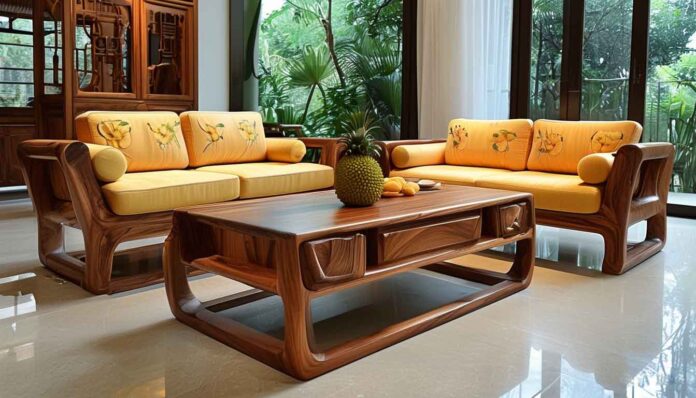
Jackfruit Wood (Fanas Wood): Characteristics, Uses & Why It’s Considered a Sustainable Choice
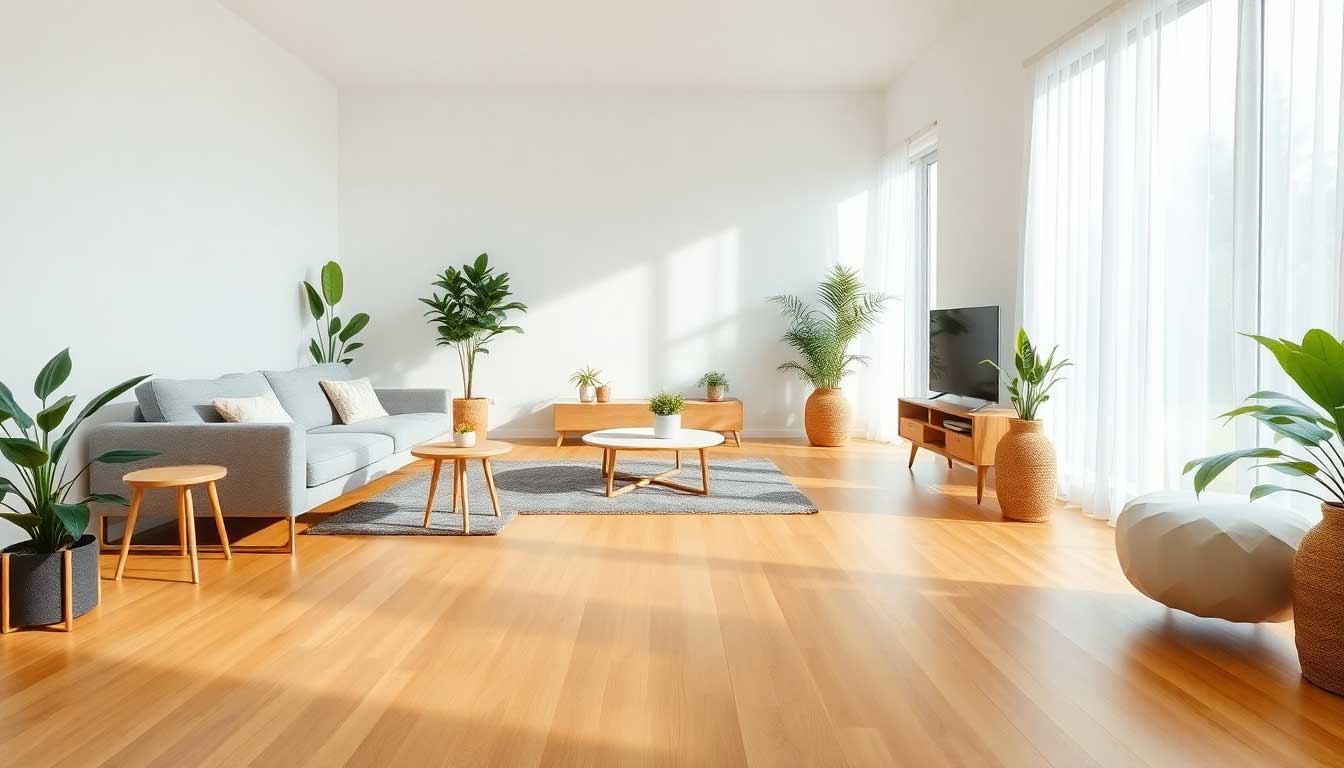
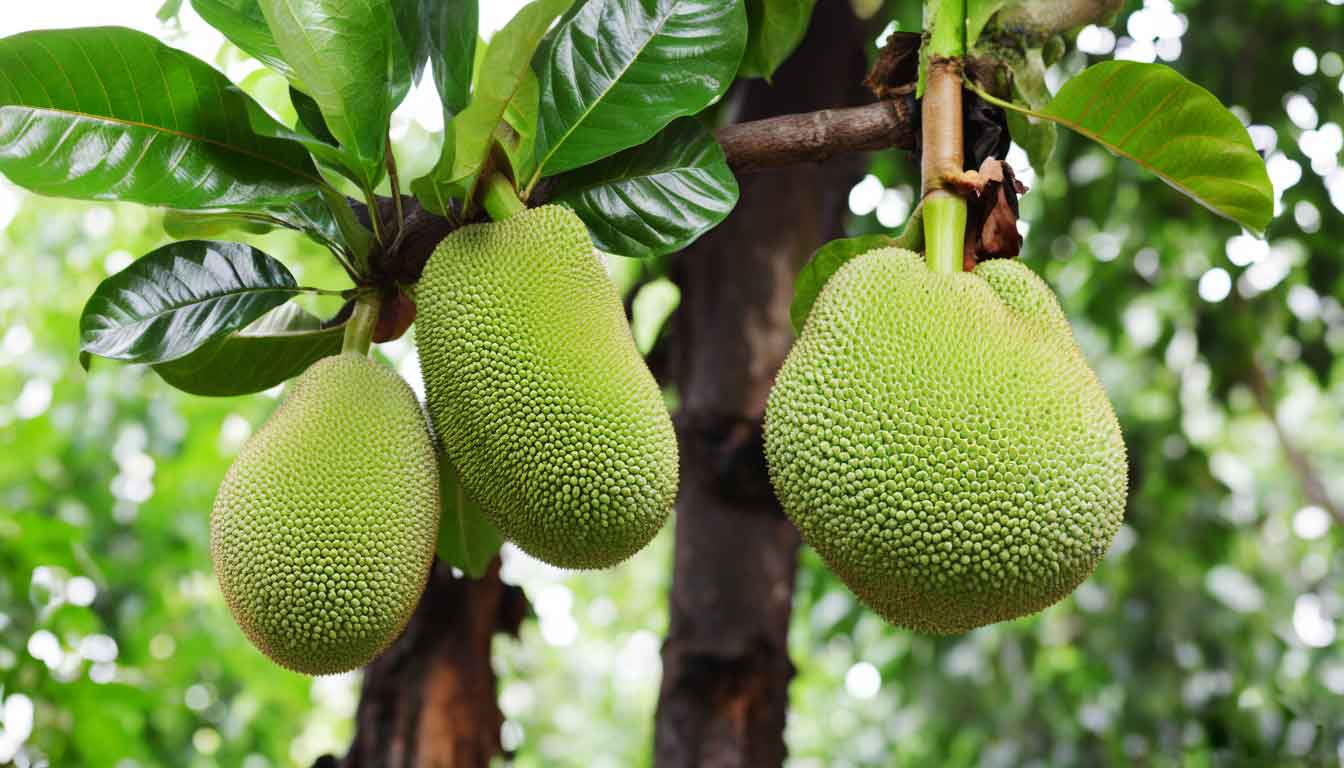
Jackfruit Wood Flooring – Jackfruit wood—often called Fanas wood in India—comes from the Artocarpus heterophyllus tree. For generations, this hardwood has been used in Indian temples, handmade furniture, musical instruments, and decorative carvings. Today, it is also gaining attention among homeowners and designers looking for natural, eco-friendly materials.
One growing trend is the use of jackfruit wood flooring sustainable interiors, thanks to the wood’s durability and low environmental impact.
Types of Jackfruit Wood
Jackfruit wood is available in several forms, each serving different purposes:
Raw Logs
Used by sawmills or in structural applications. These logs are in natural form and processed into planks or beams.
Sawn Timber (Planks)
Commonly used for furniture, paneling, and joinery. The planks can be rough or planed smooth.
Battens & Strips
Ideal for frames, partitions, and detailed interior work. Easy to cut and shape.
Blocks & Custom Cut Sizes
Chosen for carvings, craft work, and decorative wooden items.
Key Characteristics of Jackfruit Wood
Appearance
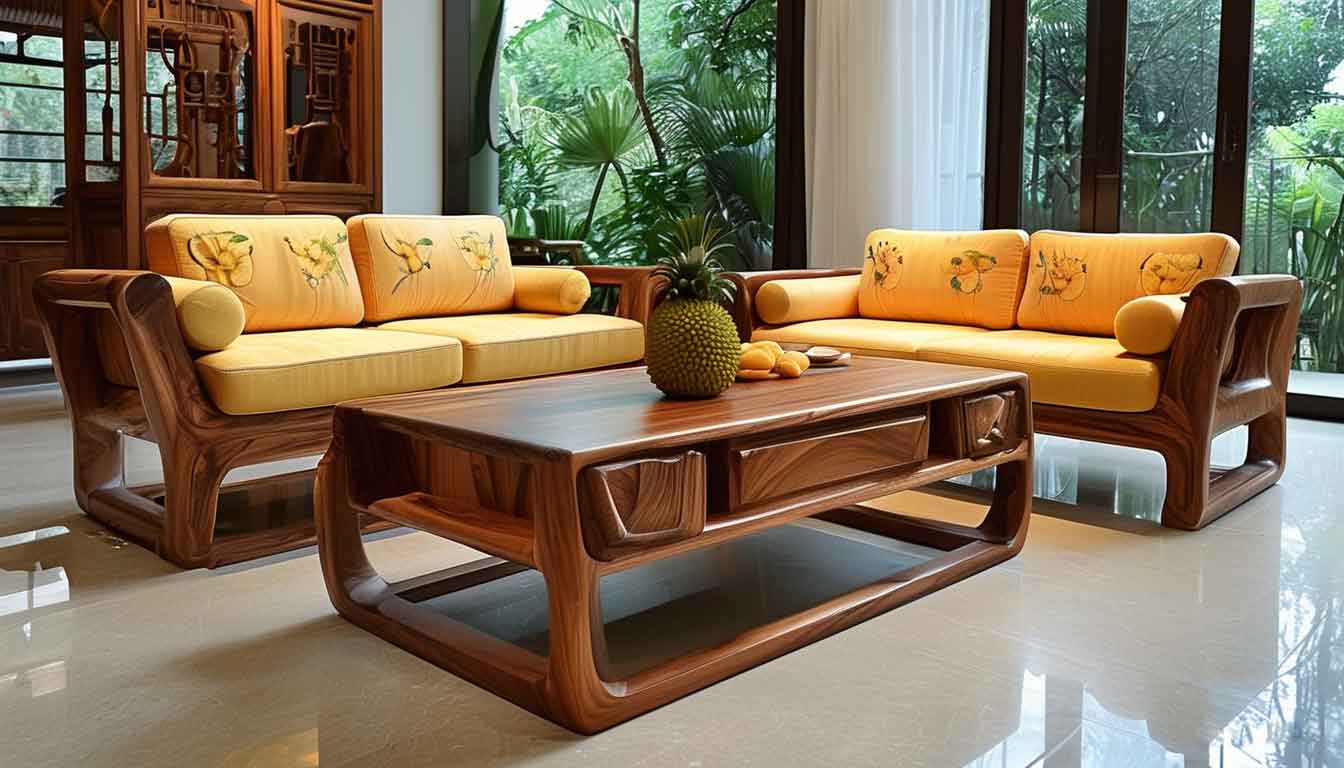
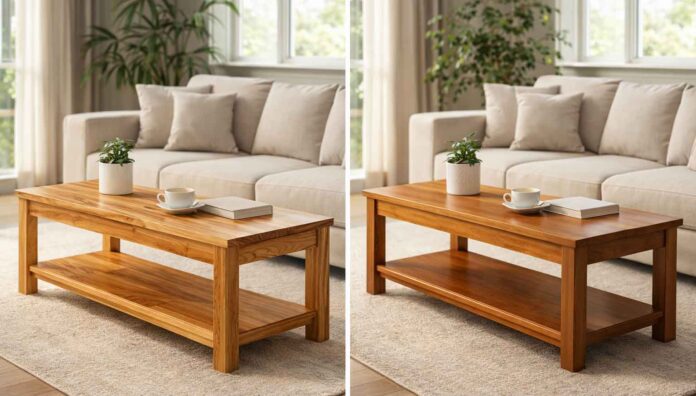
Light yellow to golden brown color, which becomes richer over time. The wood polishes well and offers a warm, elegant look.
Grain & Texture
Fine and mostly straight grain with an even texture, making it easy to machine and suitable for detailed carving.
Durability
A medium-hardwood that performs well indoors when properly dried. Stable and long-lasting, especially in carved or furniture applications.
Workability
Jackfruit wood is known for its smooth cutting and strong bonding with finishes.
Lab-Based Physical & Mechanical Properties
Physical
Density: 640–720 kg/m³
Specific Gravity: 0.60–0.72
Moisture Content: 10–12%
Texture: Fine and even
Mechanical
Modulus of Rupture: 80–95 MPa
Modulus of Elasticity: 9500–11000 MPa
Hardness: 4600–5100 N (Janka)
Compression Strength: 40–52 MPa
These values show that jackfruit wood is both strong and easy to work with, making it suitable for everything from furniture to traditional architecture.
Why Jackfruit Wood Flooring Is Considered Sustainable
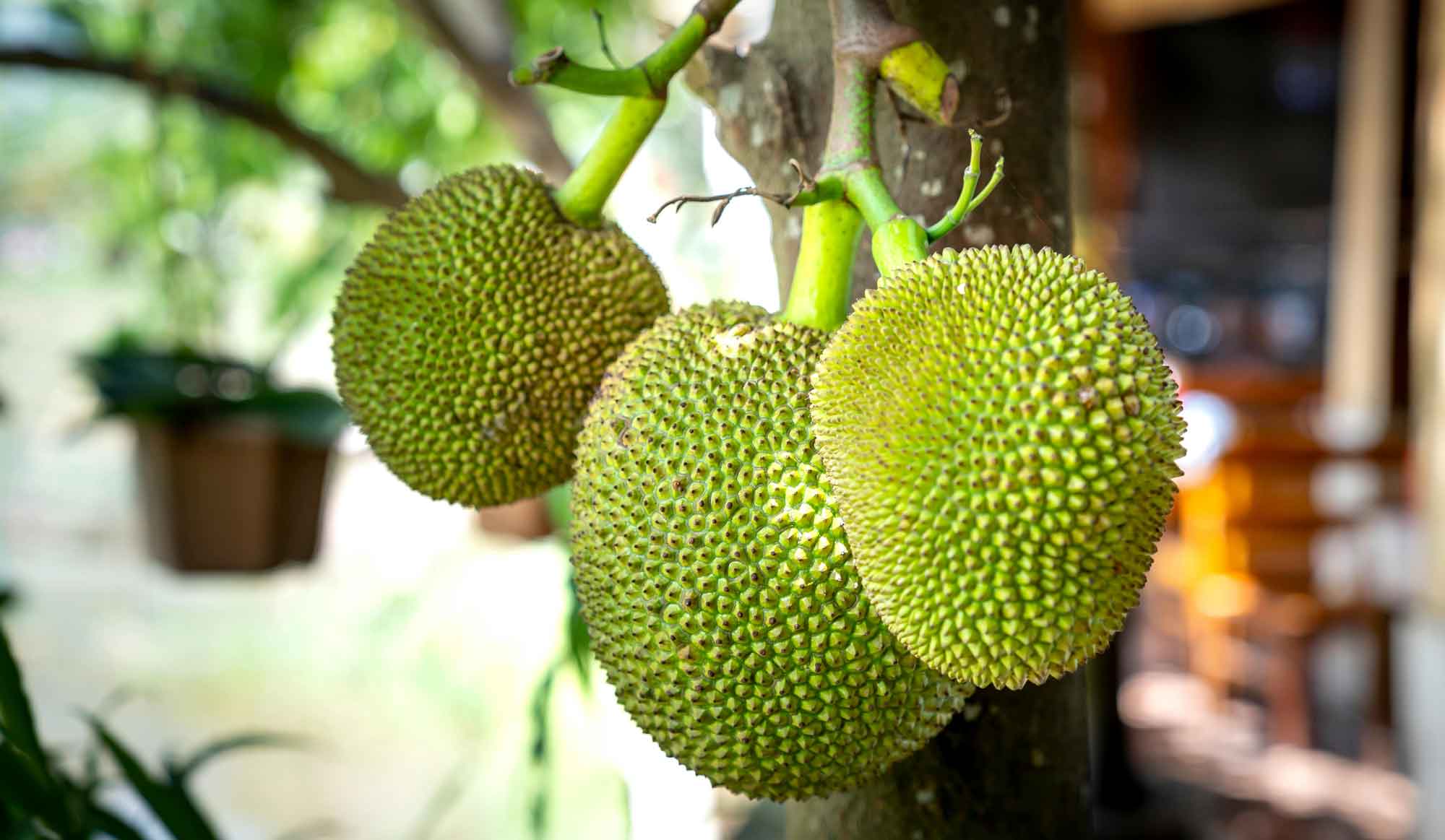
The growing interest in jackfruit wood flooring sustainable home design comes from how the wood is harvested and used. Unlike many hardwoods that require dedicated forest cutting, jackfruit trees are primarily grown for fruit. The wood becomes available only when old trees stop producing fruit. This means:
Less environmental pressure
Better use of an existing natural resource
Reduced waste, since the tree is already cultivated for fruit
The golden color, natural smoothness, and medium hardness also make it an attractive flooring alternative for people seeking environmentally responsible options.
Traditional & Modern Uses of Jackfruit Wood
Wooden furniture
Interior wall paneling
Heritage restoration
Temple and spiritual carvings
Musical instruments
Window and door frames
Rustic décor
Sustainable flooring applications
Its stability after seasoning and its ability to hold detail make it popular among woodworkers and artisans.
Konkani Jackfruit Wood: A Regional Specialty
The Konkan region—covering coastal Maharashtra, Goa, and Karnataka—is known for producing high-quality jackfruit wood. This variety is valued for its cultural history and naturally rich golden tone. Many temples, old homes, and traditional craftsmen still prefer this wood for its beauty and reliability.
How to Care for Wooden Furniture (Any Wood Type)
Dust with a soft cloth regularly.
Clean spills right away to avoid staining.
Use mats, coasters, and table runners for protection.
Keep furniture away from long hours of direct sunlight.
Apply wax or polish occasionally.
Check for moisture-related issues like swelling or warping.
Treat early signs of insects or fungus immediately.
Removing Water Stains from Wood
Blot the area immediately.
Apply a paste of baking soda and water.
Use a mild vinegar-water solution for deeper marks.
Lemon juice can help lighten older stains.
Powdered cleansers used gently can remove tough marks.
Sanding and refinishing should be the last option.
Conclusion
Jackfruit wood is a versatile, culturally rooted material with practical benefits for modern use. Its warm color, user-friendly workability, and dependable strength make it suitable for carvings, furniture, and interior applications. With increasing awareness of eco-friendly materials, many homeowners are now exploring jackfruit wood flooring sustainable living spaces as a natural and responsible choice.