Jackfruit Protein Content vs Meat: How Does This Tropical Fruit Really Compare?
Jackfruit Protein Content vs Meat : Jackfruit has become a favorite in the plant-based community, and it’s easy to see why. Its stringy, meaty texture makes it a perfect substitute for shredded chicken or pulled pork in vegan and vegetarian recipes. From tacos and sandwiches to curries and stir-fries, jackfruit is incredibly versatile. But if you’re wondering whether it can replace meat in your diet—especially for protein—the answer requires a closer look.
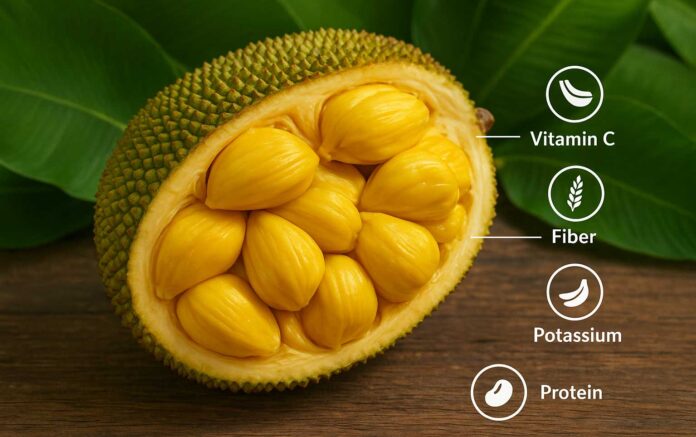
Jackfruit isn’t just about texture and flavor—it’s also packed with nutrients. One cup of sliced jackfruit (about 165 grams) provides:
Calories: 157
Protein: 2.8 grams
Carbs: 38 grams
Fiber: 2.5 grams
Vitamin C: 25% of your daily needs
Potassium: 16% of your daily needs
Magnesium & Copper: 10–14% of daily needs
Compared to other fruits, jackfruit is fairly high in protein—but it’s still much lower than meat. While fruits like apples or mangoes contain almost no protein, jackfruit gives you a small boost, along with fiber and antioxidants.
Curious to learn more about jackfruit itself? Check out our full guide here.
Jackfruit Protein Content vs Meat: The Numbers
Let’s compare jackfruit with chicken and beef to see where it stands:
Food
Protein
Calories
Fat
Jackfruit (1 cup / 165g)
2.8g
157
0g
Chicken Breast (1 cup / 140g)
43g
280
3g
Cooked Beef (100g)
25g
277
17g
As you can see, jackfruit is not a protein powerhouse. Meat provides the building blocks your body needs for muscles, repair, and overall health, while jackfruit offers minimal protein in comparison.
But here’s where jackfruit shines: it’s low in calories, contains no fat or cholesterol, and is rich in fiber, which meat lacks entirely. Fiber is essential for digestion, helps you feel full longer, and supports heart health.
Health Benefits Beyond Protein
Even if protein isn’t its main strength, jackfruit is a nutritional powerhouse in other ways:
Blood Sugar Support: Its fiber helps slow digestion, keeping blood sugar levels stable. Some studies suggest that compounds in jackfruit may help regulate blood sugar, but more research is needed.
Antioxidants: Vitamins C and A, carotenoids, and flavanones help fight inflammation, support heart health, and protect cells from damage.
Immune Boost: Vitamin C strengthens your immune system, helping your body fight off infections.
Heart Health: Potassium, fiber, and antioxidants support a healthy heart and help regulate blood pressure.
Versatility in Diet: Ripe or unripe, jackfruit can be added to a wide variety of dishes—making it easy to eat more fruits and veggies without feeling restricted.
How to Eat Jackfruit
Jackfruit can be eaten ripe or unripe, and both have their unique uses:
Unripe Jackfruit: Works best for savory recipes because of its meaty texture. Use it in tacos, stir-fries, curries, sandwiches, or even as a pulled “pork” alternative.
Ripe Jackfruit: Naturally sweet and perfect for desserts, smoothies, yogurt bowls, or oatmeal.
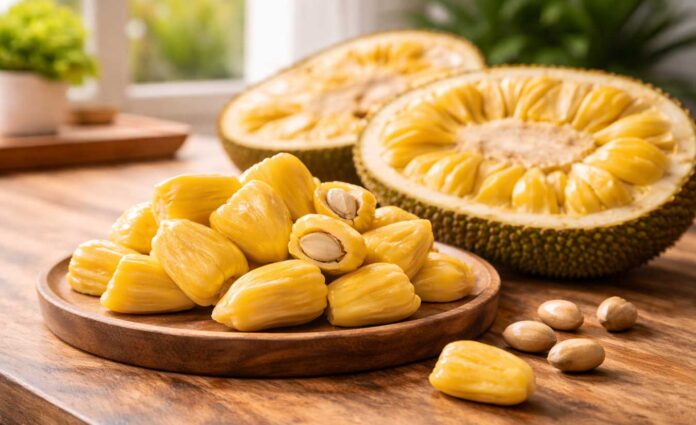
Jackfruit Seeds: Don’t throw them away! Roast, boil, or mash them into hummus for extra protein and fiber.
Pro tip: The inside of a fresh jackfruit is very sticky, so wear gloves when handling it.
How to Get Enough Protein With Jackfruit
Since jackfruit alone won’t meet your protein needs, pair it with other plant-based protein sources:
Beans: Black beans, chickpeas, or lentils
Tofu or Tempeh
Quinoa or Brown Rice
Nuts & Seeds: Sunflower seeds, pumpkin seeds, or peanut butter
This combination lets you enjoy the texture and flavor of jackfruit while still getting the protein your body needs.
Bottom Line
Jackfruit is a delicious, fiber-rich, and nutrient-dense fruit, but it is not a replacement for meat when it comes to protein. Think of it as a plant-based texture and flavor alternative. Pair it with protein-rich foods for a balanced, satisfying meal.
In short: jackfruit is perfect for vegan and vegetarian cooking, adding bulk, flavor, and nutrients to your dishes. But if your goal is protein, you’ll need to include beans, tofu, or other plant-based proteins to meet your daily needs.