Jackfruit: Taste, Nutrition, Health Benefits, and How to Eat It
Jackfruit, scientifically known as Artocarpus heterophyllus, is a tropical fruit known for its large size, sweet flavor, and versatile texture. Native to South Asia, jackfruit is now enjoyed in many parts of the world, including the United States.
What makes jackfruit especially interesting is that ripe and young green jackfruit are used in very different ways. Ripe jackfruit is sweet and fruity, while young green jackfruit has a mild, fibrous texture that works well in savory dishes.
If you are trying jackfruit for the first time, this guide explains what it tastes like, what nutrients it provides, how ripe and young jackfruit differ, and how to choose, store, and use it at home.

What Is Jackfruit?
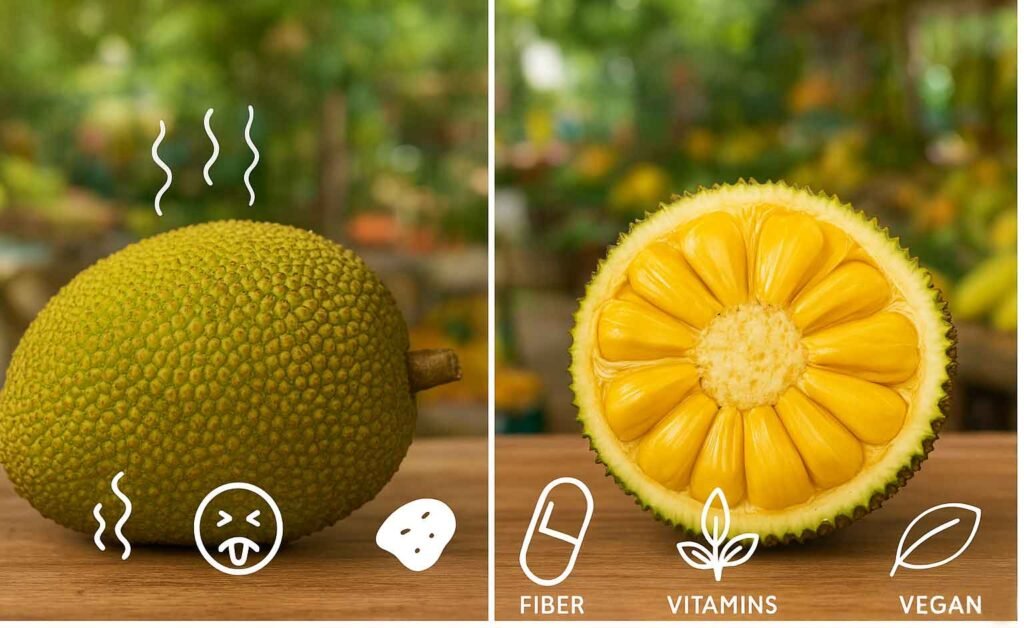
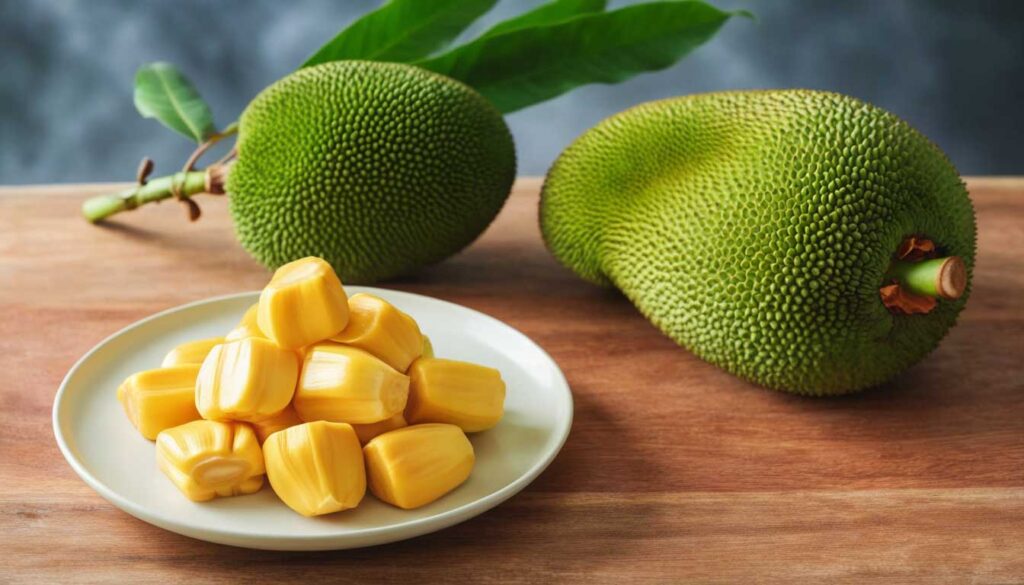
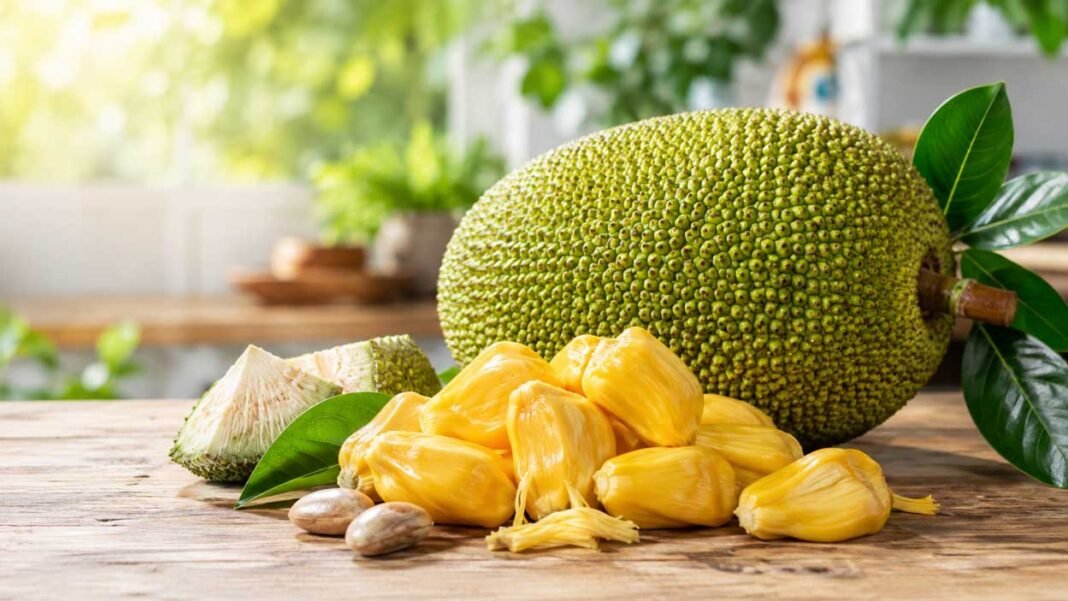
Jackfruit is a large tropical fruit that grows on the jackfruit tree. It has a thick, textured green rind and contains many edible yellow fruit pods inside.
A mature jackfruit can become very large, sometimes weighing dozens of pounds. The yellow fruit pods are the main edible part and surround the seeds.
Jackfruit is commonly used in two stages:
- Ripe jackfruit: Sweet, fragrant, soft, and usually eaten as a fruit.
- Young green jackfruit: Mild in flavor and firm in texture, making it useful in savory recipes.
Jackfruit seeds can also be cooked and eaten in many traditional cuisines.
What Does Jackfruit Taste Like?
The taste of jackfruit depends on whether the fruit is ripe or young.
Ripe Jackfruit
Ripe jackfruit has a sweet tropical flavor. Many people describe it as a combination of banana, pineapple, mango, or other tropical fruits.
Its texture is soft, juicy, and slightly fibrous. The aroma can become stronger as the fruit ripens.
Ripe jackfruit can be eaten fresh or added to:
- Fruit salads
- Smoothies
- Yogurt
- Desserts
- Ice cream
- Breakfast bowls
Young Green Jackfruit
Young green jackfruit is very different from ripe jackfruit. It has a mild flavor and a firm, fibrous texture.
Because it does not have a strong flavor of its own, it absorbs sauces, spices, and marinades well. This makes it popular in tacos, sandwiches, curries, wraps, and other savory dishes.
Young jackfruit can have a texture similar to shredded meat when cooked, but it is not nutritionally the same as meat and is not a high-protein food.
Jackfruit Nutrition
Jackfruit provides carbohydrates, dietary fiber, vitamin C, potassium, and several other nutrients. Its nutritional value can vary depending on the variety, ripeness, serving size, and whether it is fresh or canned.
Approximate nutrition for 100 grams of raw jackfruit includes:
| Nutrient | Approximate amount |
|---|---|
| Calories | 95 kcal |
| Carbohydrates | 23 g |
| Protein | 1.7 g |
| Fat | 0.6 g |
| Dietary fiber | 1.5 g |
| Potassium | 448 mg |
| Calcium | 24 mg |
| Magnesium | 29 mg |
These values are approximate and can vary between varieties and products.
Jackfruit can be part of a balanced diet, but it should not be considered a high-protein food or a special food for weight loss.
Health Benefits of Jackfruit
Jackfruit contains several nutrients that can contribute to a healthy, balanced diet. However, eating jackfruit by itself does not prevent or treat a disease.
Provides Vitamin C
Jackfruit contains vitamin C, an essential nutrient that supports normal immune function and helps protect cells from oxidative stress.
Provides Potassium
Jackfruit is a source of potassium. Potassium is involved in normal muscle function, nerve function, and fluid balance.
Provides Dietary Fiber
Jackfruit contains dietary fiber, which contributes to your overall fiber intake and supports normal digestive function.
Contains Antioxidant Compounds
Jackfruit contains vitamin C and other plant compounds with antioxidant activity. These compounds help protect cells from oxidative damage.
Jackfruit is best viewed as one nutritious food that can be included in a varied diet rather than as a treatment or cure for a health condition.
Ripe Jackfruit vs. Young Green Jackfruit
| Feature | Ripe Jackfruit | Young Green Jackfruit |
|---|---|---|
| Flavor | Sweet and fruity | Mild and neutral |
| Texture | Soft and juicy | Firm and fibrous |
| Common use | Snacks and desserts | Savory meals |
| Best for | Smoothies, fruit salads, desserts | Tacos, sandwiches, curries |
| Preparation | Usually eaten fresh | Usually cooked |
If you are buying canned jackfruit for a savory recipe, look for young green jackfruit on the label.
Is Jackfruit a Good Meat Substitute?
Jackfruit is often used as a meat alternative because young green jackfruit becomes tender and stringy when cooked.
It works well in recipes such as:
- BBQ jackfruit sandwiches
- Jackfruit tacos
- Curries
- Wraps
- Rice bowls
However, jackfruit is relatively low in protein. It should not be considered nutritionally equivalent to meat.
If you are using jackfruit instead of meat, you can pair it with protein-rich foods such as beans, lentils, tofu, or tempeh to make the meal more balanced.
How to Use Jackfruit
Jackfruit can be used in both sweet and savory dishes, depending on its ripeness.
Ripe Jackfruit

Ripe jackfruit is sweet and is commonly eaten fresh or used in smoothies, fruit salads, and desserts.
Ripe jackfruit is naturally sweet and can be:
- Eaten fresh
- Added to smoothies
- Mixed into fruit salads
- Served with yogurt
- Used in desserts
- Added to ice cream or breakfast bowls
Young Green Jackfruit

Young green jackfruit has a mild flavor and works well with strong seasonings and sauces.
It can be used in:
- Tacos
- BBQ sandwiches
- Curries
- Wraps
- Rice bowls
- Stir-fries
Canned Jackfruit
Canned young green jackfruit is a convenient option when fresh young jackfruit is not available.
For savory recipes, look for cans labeled young green jackfruit. Drain the jackfruit before cooking and rinse it if you want to remove some of the brine.
Always check the product label for ingredients, sodium, and storage instructions.
How to Select and Store Jackfruit
Choosing Ripe Jackfruit
If you want to eat jackfruit as a sweet fruit, look for a mature fruit with a noticeable sweet aroma and some softness when gently pressed.
Avoid fruit with large areas of damage, mold, or spoilage.
Choosing Young Green Jackfruit
Young green jackfruit should be firm and green. It is normally purchased for cooking rather than for eating as a sweet fruit.
How to Store Jackfruit
An uncut jackfruit can be kept at room temperature while it continues to ripen.
Once it has been cut, remove the edible pods and store them in a covered container in the refrigerator.
Ripe jackfruit can also be frozen for longer storage. The texture may change slightly after thawing.
For canned jackfruit, follow the storage instructions on the package. After opening, transfer unused jackfruit to a clean covered container and refrigerate it.
Recommended for storage:
Airtight food-storage containers can make it easier to keep cut jackfruit covered in the refrigerator.
→See Food Storage Containers on Amazon
Preparing a whole jackfruit?
A sturdy large cutting board and a suitable kitchen knife can make preparation easier. Use a stable work surface and follow normal kitchen knife-safety practices.
→See Kitchen Cutting Boards on Amazon
Affiliate Disclosure: Some links on this page are affiliate links. If you purchase through these links, we may earn a commission at no additional cost to you.
Where Can You Find Jackfruit in the United States?
In the United States, fresh jackfruit may be available at Asian, South Asian, and international grocery stores, especially in areas with large communities familiar with tropical produce.
Depending on the store and season, you may also find:
- Canned young green jackfruit
- Frozen jackfruit
- Fresh ripe jackfruit
- Packaged jackfruit products
If you are buying canned jackfruit for tacos, sandwiches, or curries, check the label and choose young green jackfruit rather than a sweet ripe-jackfruit product.
Availability varies by location and season, so the selection at one store may be different from another.
Looking for young green jackfruit?
Canned young green jackfruit can be a convenient option for tacos, BBQ sandwiches, curries, and other savory recipes. Check the label to make sure you’re buying young green jackfruit rather than sweet ripe jackfruit.
Frequently Asked Questions About Jackfruit
Is jackfruit healthy?
Jackfruit can be part of a healthy, balanced diet. It provides nutrients such as vitamin C, potassium, and dietary fiber.
Is jackfruit high in protein?
No. Jackfruit contains some protein, but it is not a high-protein food. If you use it as a meat alternative, consider adding another protein-rich food to the meal.
Does jackfruit taste like meat?
Young green jackfruit does not taste like meat. Its mild flavor and fibrous texture allow it to absorb sauces and seasonings, which is why it is often used in pulled-meat-style recipes.
Is ripe jackfruit sweet?
Yes. Ripe jackfruit is naturally sweet and has a tropical fruit flavor. The exact taste varies depending on the variety and ripeness.
Can you eat jackfruit seeds?
Jackfruit seeds are eaten in several traditional cuisines, but they should be properly cooked before eating.
Is canned jackfruit ready to eat?
Canned young green jackfruit is generally used as a cooking ingredient. Drain it and prepare it according to your recipe and the product instructions.
Final Thoughts
Jackfruit is a versatile tropical fruit with two very different culinary uses. Ripe jackfruit is sweet and fruity, while young green jackfruit is mild, fibrous, and useful in savory recipes.
For U.S. shoppers, canned young green jackfruit can be a convenient way to try tacos, BBQ sandwiches, curries, and other plant-based meals. Fresh ripe jackfruit offers a completely different experience and can be enjoyed as a fruit or used in desserts.
Jackfruit provides several useful nutrients and can be part of a balanced diet, but it is not a miracle food and should not replace a varied diet.
If you are trying jackfruit for the first time, starting with a simple recipe such as jackfruit tacos or a BBQ jackfruit sandwich can be an easy way to explore its flavor and texture.
Disclaimer: This article is for general informational and educational purposes only. It is not medical or nutritional advice and is not intended to diagnose, treat, or prevent any health condition. Nutritional values can vary depending on the variety, ripeness, and preparation of jackfruit. If you have a medical condition, food allergy, or specific dietary concern, consult a qualified healthcare professional or registered dietitian.
Affiliate Disclosure: Some links on this page are affiliate links. If you purchase through these links, we may earn a commission at no additional cost to you.