Jackfruit vs Meat: The Ultimate Vegan Substitute
Jackfruit vs Meat : Living a vegetarian or vegan lifestyle is no longer just a trend—it’s becoming a normal way of life for many people. While vegetarians avoid meat, vegans skip all animal products, including dairy and eggs. More people are choosing these lifestyles for ethical reasons, health benefits, or simply to try something new.
One plant-based ingredient that’s gaining popularity in the U.S. is jackfruit. This tropical fruit has been eaten in Asia for centuries, but now it’s making waves as a vegan meat substitute. But is it really a good alternative to meat? Let’s find out.
Why People Reduce Meat
Eating meat in moderation isn’t harmful. Meat contains protein, iron, and other nutrients that our bodies need. But eating too much—especially red meat—can increase the risk of heart disease and inflammation. Factory-farmed meat may also contain antibiotics, which isn’t ideal for long-term health.
For many, reducing meat consumption is about health, sustainability, and animal welfare. And this is where vegan substitutes like tofu and jackfruit come in.
Tofu vs Jackfruit
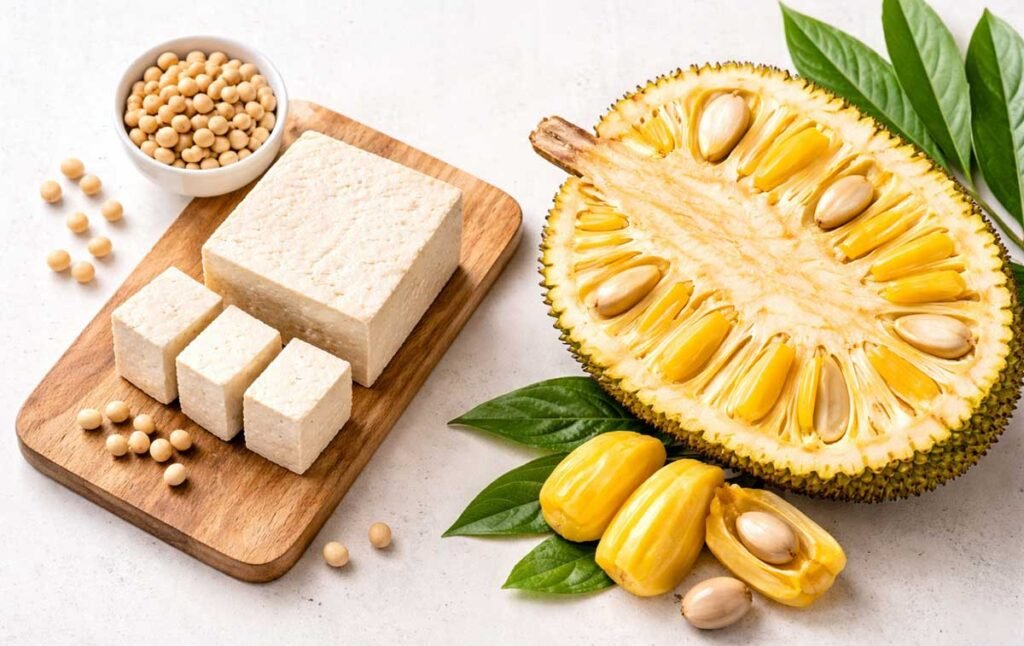
Tofu has long been the top meat alternative. It’s high in protein, versatile, and widely available. However, some people worry about soy production, environmental impacts, genetic modification, and potential effects on thyroid health.
This is why jackfruit is becoming a gentle, sustainable alternative.
What Is Jackfruit?
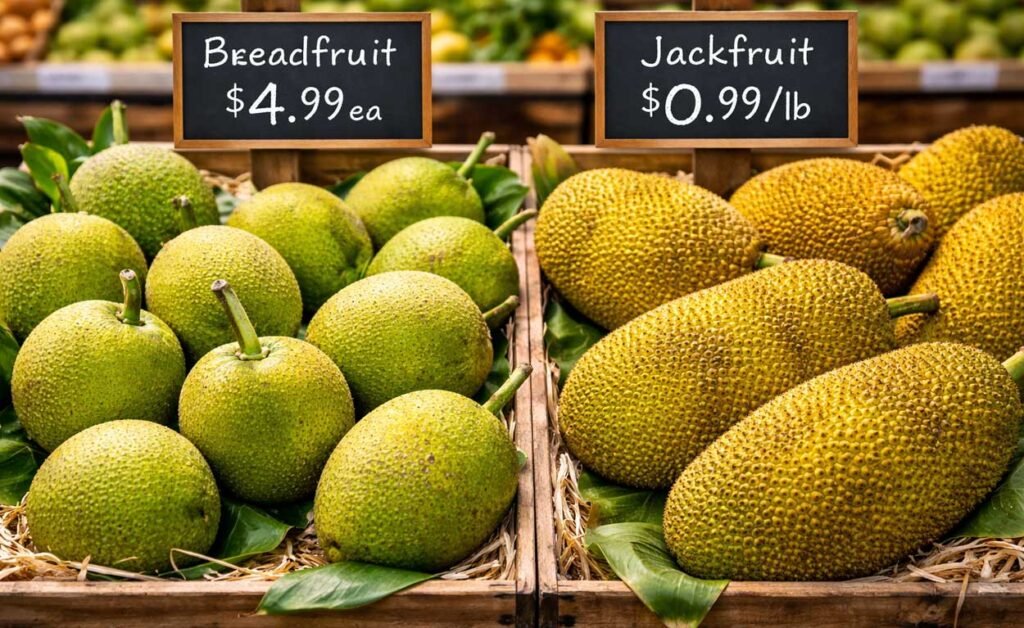
Jackfruit is a giant tropical fruit native to India and grown in warm regions of Asia, Africa, and South America. It’s part of the same family as figs and breadfruit. You can identify it by its spiky green or yellow shell and massive size—it can weigh up to 50 pounds!
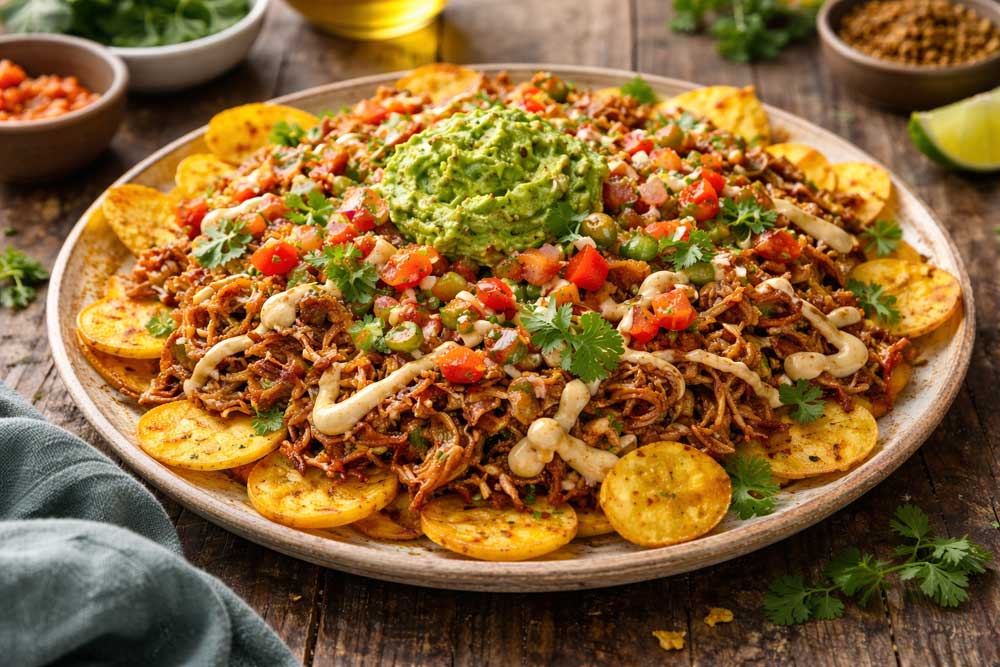
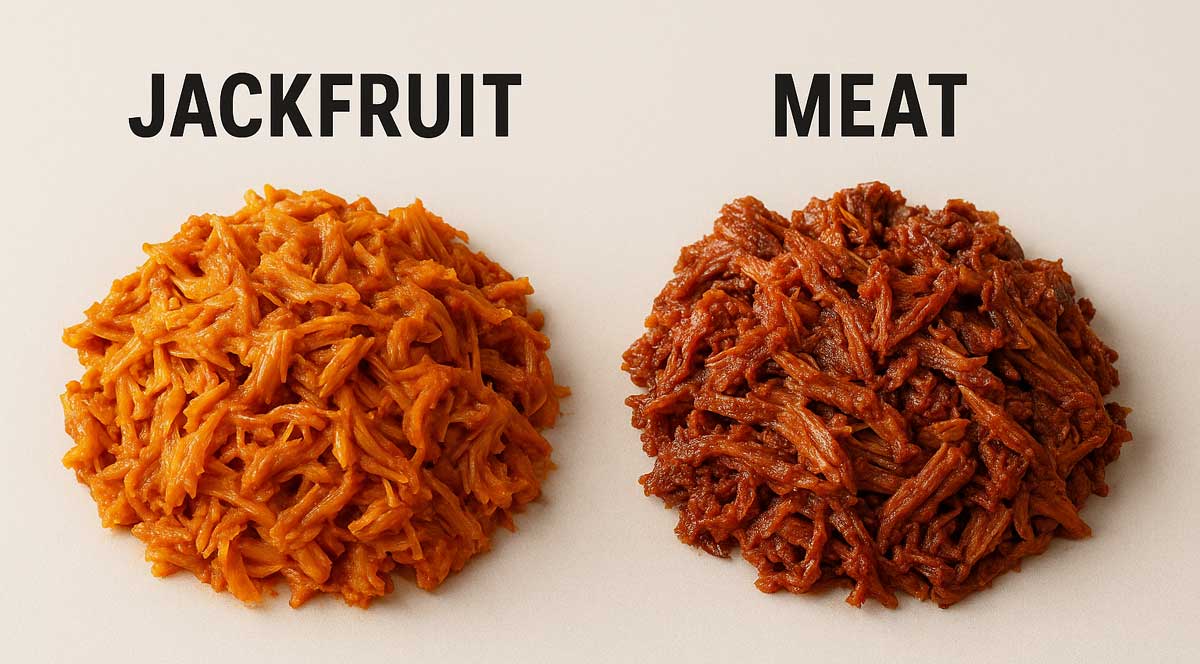
Jackfruit has a mildly sweet taste and a meaty, shredded texture, which makes it perfect for vegan dishes that mimic pulled meat or shredded chicken. Both the flesh and seeds are edible, making it versatile in recipes.
Nutrition: Jackfruit vs Meat
Jackfruit contains important nutrients, though it doesn’t match meat in protein content:
Per 100 grams (3.5 oz) of jackfruit:
- Calories: 95 kcal
- Protein: 1.7 g
- Fat: <1 g
- Carbs: 23 g
- Fiber: 1.5 g
- Vitamin B6: 19% DV
- Vitamin C: 15% DV
- Potassium: 10% DV
- Magnesium: 7% DV
Jackfruit also contains plant compounds like lignans, isoflavones, and saponins, which may support heart health and overall wellness.
Keep in mind: Jackfruit is lower in protein and lacks vitamin B12, zinc, and iron compared to meat. Pair it with beans, lentils, nuts, seeds, or fortified foods to make a balanced vegan meal.
Why Jackfruit Is Sustainable
Jackfruit trees are highly productive, yielding 2–3 tons of fruit per year. They’re hardy, disease-resistant, and don’t require large monocultures like soy or corn. Many jackfruits are harvested by small farmers, making it a sustainable choice for both people and the planet.
How to Prepare Jackfruit
You can buy jackfruit fresh, canned, or vacuum-sealed.
Fresh Jackfruit
- Cut carefully; it’s sticky.
- Remove pods and seeds.
- Freeze extra pods for later use.
Canned or Vacuum-Sealed
- Rinse well to remove brine or syrup.
- Shred the flesh with fingers or forks for a “pulled meat” texture.
- Marinate in your favorite sauce for 15–20 minutes before cooking.
Recipes Using Jackfruit
Jackfruit is versatile and works in appetizers, mains, and even desserts:
Appetizers:
- Jackfruit tostadas
- Savory jackfruit croquettes
- Jackfruit buffalo dip
Main Dishes:
- BBQ jackfruit sandwich
- Pulled jackfruit tacos
- Jackfruit curry
Desserts:
- Jackfruit pudding
- Jackfruit sorbet
- Jackfruit upside-down cake
Its mild flavor absorbs sauces and spices, making it an easy ingredient for creative cooking.
Jackfruit vs Meat: The Bottom Line
Jackfruit isn’t a perfect replacement for meat in terms of protein or iron, but it shines as a vegan meat substitute thanks to its:
- Meaty texture
- Mild flavor
- Nutrient content
- Sustainability
If you’re exploring a plant-based diet, jackfruit is a fun and healthy option that can bring variety to your meals while reducing your reliance on meat. Pair it with other protein-rich plant foods, and you’ll have a balanced, delicious, meat-free diet.